
Reader Story
What Is Neuropathy? Linda's Doctor Wrote One Word on Her Chart. Here's the Part the Definition Leaves Out
She went home and looked it up. Every page told her what it was. Not one told her what was doing it, or whether it had to keep going.
By the HealthVital editorial team · 8 min read
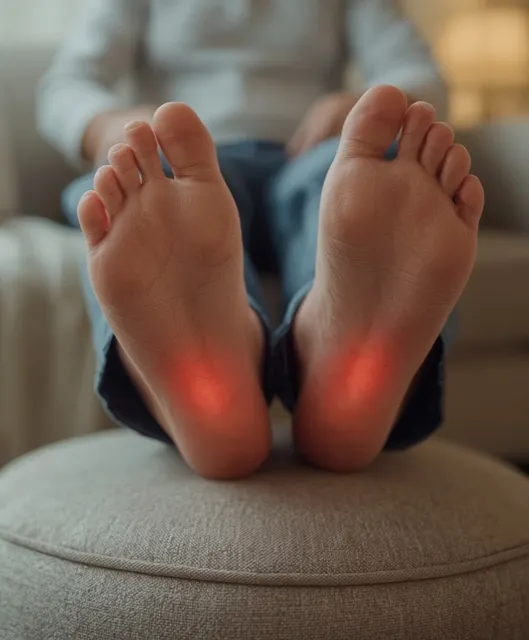
Linda, 63, typed "what is neuropathy" into her phone in the parking lot of her doctor's office, before she had even started the car. The appointment had been about her feet: the pins and needles that showed up when she lay down, the toes that felt like they belonged to somebody else in the morning. Her doctor tapped her soles with a little plastic filament, asked her to close her eyes and say when she felt it, and then wrote one word on the chart. Neuropathy. "Peripheral," he added, and handed her a pamphlet.

She worked the front desk of a dental office for twenty-six years. She is the kind of person who reads the whole form before she signs it. And what bothered her that night wasn't the word. It was that every page she found answered the same small question, and none of them answered the big one.
"They all told me what it was," she told us. "Nobody told me what was doing it to me. Or if it had to keep going."
What is neuropathy, in plain words
Let's do the small question properly first, because it's the foundation. Neuropathy means damage to nerves. Peripheral neuropathy means damage to the nerves outside your brain and spinal cord: the long ones that carry feeling and movement out to your feet, legs, hands and arms.
There are three kinds of these nerves, and which ones are affected decides what you feel:
- Sensory nerves carry touch, temperature and pain. When they're affected you get tingling, numbness, burning, the "walking on cotton" feeling, or zaps that come out of nowhere. This is where most people start.
- Motor nerves run the muscles. Trouble here can show up as weakness, cramps, or a foot that catches on the rug.
- Autonomic nerves run the things you don't think about, like sweating, digestion and blood pressure when you stand up.
The most common cause in this country is long-term high blood sugar. Others include low B12, thyroid trouble, heavy drinking, some medicines, and chemotherapy. And in a large share of people, doctors never pin down a single cause at all. Linda was one of those. Her A1c was fine. Her B12 was fine. "Idiopathic," the pamphlet said, which she learned means "we don't know."
Why it almost always starts in the toes
Here is something the pamphlet did explain, and it helped her. The nerves that reach your toes are the longest in your body, sometimes more than three feet from the spine. Each one is wrapped in a protective coating called myelin, much like the plastic jacket on an electrical cord. The jacket keeps the signal moving cleanly and quietly.
When that coating wears, the longest nerves show it first, because there's simply the most of it to wear. That's why it begins in the toes and, over the years, can creep up the foot, the ankle, the shin. When the signal leaks, some messages arrive too weak (numbness) and some arrive too loud (burning, pins and needles, zaps). Same problem, opposite symptoms. Linda had both, depending on the hour.
The honest version: "neuropathy" is the name of what you're feeling. It isn't an explanation of why. For a lot of people, nobody ever gets to the why.
What she was offered, and what it was aimed at
Linda's doctor was kind and thorough, and she doesn't blame him. He offered a prescription for nerve pain that made her feel "like I was underwater" by lunchtime. He suggested a capsaicin cream. A podiatrist recommended seamless socks and checking her feet every night with a mirror, which she does and which everyone should. A friend swore by foot soaks.
All of it may have its place. Some of it got her through bad nights. But when she lined it up on her kitchen table, she saw what her twenty-six years of insurance forms had trained her to see. Every item was aimed at the signal. Turn it down, numb it, cool it, distract it. Not one item was aimed at the thing wearing the coating in the first place.
"It's like treating a toothache with ice," she said, "and never looking at the tooth."
The question underneath the definition
So what does wear the coating down, in people whose blood sugar is fine and whose doctor shrugs? That's the part the definition leaves out, and it's where Linda's search finally got somewhere.
Her daughter sent her a short presentation from a doctor who has spent close to thirty years treating people with nerve trouble in their feet. As Linda describes it, he believes there's a slow, natural process around the nerve that can get out of balance, and when it does, it eats at the coating a little at a time and leaves a residue behind. He compares it to corrosion. Years make it worse. Sugar makes it worse. And in his view, that's why so many remedies feel good for an hour and change nothing: they work on the skin, and the trouble is on the cable.
He also describes an inexpensive morning recipe made from a few kitchen ingredients, and he is specific about which form of one of them, and what time of day. Linda wouldn't spell it out for us. "It's his work," she said. "And honestly, I'd have gotten it wrong."
We want to be clear: this is one doctor's way of seeing it, not settled medicine. But it was the first time in months that anyone had answered her real question. And it changed what she went looking for.
What her hairdresser had in her drawer
Two weeks later Linda was in the chair at the salon she has gone to for nineteen years, telling her stylist, Connie, about all of it. Connie is 57 and stands on a tile floor ten hours a day. She stopped cutting, opened the drawer of her station, and set a bottle on the counter between the combs and the hair spray.
"Since June," Connie said. "My feet used to be done by two o'clock."
The bottle said NervoLyn. Linda, who has read every label in her life, asked for her glasses and read this one twice while her color set.
- Alpha lipoic acid. Described by the company as one of the most studied antioxidants for the nerves of the hands and feet, there to help protect nerve tissue from everyday wear. "The corrosion part," Linda said.
- Turmeric extract, standardized to 95% curcuminoids. For the body's normal inflammation response around stressed nerves. Not the kitchen kind, she noted.
- Butcher's broom. A traditional circulation herb, to keep blood moving down to the feet. Connie pointed at her own shoes.
- L-carnitine and Coenzyme Q10. Energy for the cells, the fuel a nerve uses to do its own maintenance.
- Magnesium glycinate. A gentle form of magnesium tied to calmer nerve signals and better sleep.
"Everything I'd been given was for the signal," Linda told us. "This was the first thing for the cord." She took a photo of the label to her pharmacist, who said nothing in it would clash with what she takes and to keep her doctor informed. She ordered that weekend. It's one capsule a day.
What changed, and how slowly
- Week 1. Nothing she could point to. "Same cotton in the toes."
- Weeks 2 and 3. A new tingling in the balls of her feet that made her nervous. Connie had had the same thing. Some people feel tingling return to a numb area before more normal feeling does, though no one can promise that's what it is.
- Month 1. The pins and needles that met her every night at bedtime started arriving later, then some nights not at all.
- Months 2 and 3. She walked the full farmers market on a Saturday and drove home without thinking about her feet. The burning still visits after a long day on hard floors, but shorter.
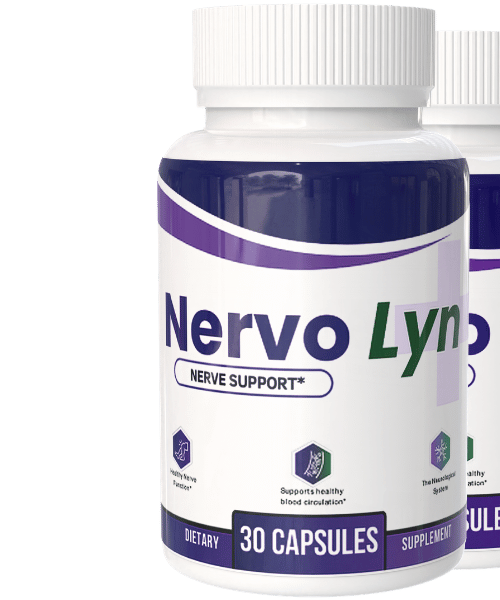
Why does it take weeks? Because nothing here is a numbing agent. If a coating has been thinning for years, the body repairs it on its own schedule, and the longest nerves are the last to get their signal back. The company says most people notice early changes in about three to four weeks and fuller results over eight to twelve weeks of daily use. That's why Linda went to the larger supply after her first bottle. Individual results vary.
If you already know the word and you're still waiting for someone to explain what's happening underneath it, start where Linda did.
See the bottle from Connie's drawer →Who it's for, and who it isn't
It may be worth a look if you're over 50, the tingling, burning or numbness started in your toes and has been slowly spreading, your doctor has checked the basics, and everything so far has only turned the signal down for a while.
See a doctor first, not a blog, if the numbness came on suddenly, is on one side, comes with weakness, a drooping face or trouble speaking, or you have a foot sore that won't heal. If your blood sugar, B12 and thyroid have never been checked, do that first. And if you take medicine for blood sugar, blood pressure, blood thinning or nerve pain, or you're pregnant or nursing, show the label to your doctor before starting.
Linda's reason for saying yes was the kind of math she did all day at the front desk. Sixty days to find out, with her money back if her feet didn't notice. One order, nothing that renews on its own. She had already spent more than that on creams and soaks that never got past the skin.
The definition won't change. What's happening underneath it might, but only once you start working on the cable instead of the signal.
Start your own 60 days this week →P.S. Linda still has the pamphlet. She wrote one line across the top of it in pen: "What is wearing it down?" If that's your question too, here's the label she read twice in the salon chair. And if your numbness has already started climbing past the ankle, Hank's story about treatment for neuropathy in legs and feet is the next thing to read.
Individual results vary. Reader stories reflect personal experiences; names and some details changed for privacy. This is an advertisement and not a news article. Statements have not been evaluated by the FDA. This product is not intended to diagnose, treat, cure or prevent any disease.