
Reader Story
What Does It Mean When Your Feet Are Burning Hot? Sherry's Felt Like an Engine Block. Then Don Touched Them and Said They Were Cold
The heat she felt every night wasn't in her feet at all. It was in the wiring. Here's what that means, when it's urgent, and the question nobody asked her.
By the HealthVital editorial team · 8 min read
Sherry, 64, asked her phone what does it mean when your feet are burning hot at 2:40 on a Tuesday morning in August, with both feet sticking out from under the sheet and a bag of frozen peas balanced across her ankles. She drove a school bus in Wichita, Kansas, for twenty-six years. She knows what a hot engine feels like through the floorboards, and that's exactly what her soles felt like: an engine block, every night, right when she finally lay down.

Then her husband Don did something that scared her more than the burning. Half asleep, he reached over and put his hand on her foot. "Sher," he said, "they're cold."
If your feet feel like they're on fire but nobody else can feel the heat, this story is for you. Because that one detail, hot to you and cool to the touch, is one of the most important clues there is. And most of what comes up when you search for it stops right before the part that matters.
Hot to you, cool to the touch: what that usually means
Your feet don't have a thermometer. They have nerves, and nerves report what they believe is happening. When a nerve in your foot is healthy, "hot" means something is actually hot. When that nerve is damaged, it can start sending a heat signal on its own, with nothing hot anywhere near it. That's why doctors so often hear the same words from people with peripheral neuropathy: burning, on fire, standing on hot pavement, while the skin itself feels normal or even cool.
Foot and ankle clinics put it plainly. A September 2026 update from Achilles Foot & Ankle Center on burning feet at night lists nerve damage as the leading suspect, with diabetes at the top of the list of causes, followed by things like low B vitamins, heavy drinking, kidney trouble, thyroid problems and some medications. Night makes it louder because you're lying still with nothing else for your brain to listen to.
So in Sherry's case, the heat wasn't in her feet. It was in the wiring.
When burning hot feet are an emergency
There's a second kind of hot foot, and it is not a wait-and-see situation. Call your doctor today or go to urgent care if:
- one foot is actually hot to the touch, red or swollen, especially if you have diabetes and can't feel it well. That can mean infection or a joint problem in the foot that needs fast treatment;
- you have a sore, blister or crack that isn't healing, or is draining;
- the burning or numbness came on suddenly, or is only on one side of your body;
- you have a fever along with a warm, painful foot.
Don's cold hand was, in a strange way, the good news. It told Sherry this was probably the slow kind of problem, not the emergency kind. Slow, though, isn't the same as harmless.
What Sherry tried, and why each one only got so far
- Frozen peas, then ice packs. Twenty minutes of relief, and then the burning came back angrier. Doctors warn against ice straight on numb skin for exactly this reason: you can't feel when it's starting to hurt you.
- A fan pointed at the foot of the bed. Don slept in a sweatshirt all summer. Her feet still burned.
- A lidocaine cream. It quieted the surface for an hour or two. It can only numb the feeling, not the reason for it.
- The prescription. Her doctor confirmed peripheral neuropathy, likely from blood sugar that had been creeping up for years, and prescribed one of the common nerve-pain medicines. It took the edge off. It also left her so foggy in the morning that she stopped driving her granddaughter to swim practice. That's a conversation for her and her doctor, and if you're on one of these medicines, please don't stop it on your own.
All of these may help you get through a night. Every one of them is aimed at how loudly you feel the burn. None of them is aimed at why a nerve in your foot started reporting heat that isn't there.
Why a worn nerve feels like fire
Think of the nerve that runs to your toes like an old extension cord. The copper inside carries the signal. The coating around it keeps that signal clean, fast and in its lane. When the coating wears thin, from years of high blood sugar or simply from years, it breaks down slowly, like rust creeping under the paint on an old truck. Bare spots let the signal leak and cross. Your brain gets static, and one of the ways it reads static from the feet is heat.
That's also why it starts in the toes. The nerves that reach your feet are the longest in your body, up to three feet long. They're the first to wear and the last to get repaired.
And here is the part Sherry never heard from anyone in a white coat. People who study this have been asking whether something is feeding that rust, a slow process that keeps working on the coating whether your sugar is good that month or not. One retired physician with about three decades of practice has been explaining it on video alongside a simple morning turmeric recipe that costs a few dollars. Not the turmeric in the jar in your spice cabinet, he says. A specific kind, taken a specific way, at a specific time of day. We're not going to pretend we can give you his whole explanation in a blog post. But the question it raises is the right one: if the coating keeps wearing, what are you doing about the coating?
Sherry had been taking grocery-store turmeric for a month on a coworker's advice. Nothing. Which, as she learned later, may have had a lot more to do with which kind and how much than with turmeric itself.
The bottle in the bowling bag
The turn came from her sister-in-law Doreen, 68, on a Thursday night at the bowling alley where the two of them have rolled in the same league for eleven years. Sherry sat out the third game, shoes off, feet flat on the cold floor under the scorer's table. Doreen sat down next to her and said, "Burning?"
Doreen had been through all of it two winters before: the frozen peas, the cream, the pill that made her sleepy. A friend from her water aerobics class had told her the same thing she was now telling Sherry. "Your doctor told you what it is. Nobody's told you what to do about the nerve." Then she unzipped the side pocket of her bowling bag, where she keeps her wrist brace and her reading glasses, and put a bottle on the scorer's table.

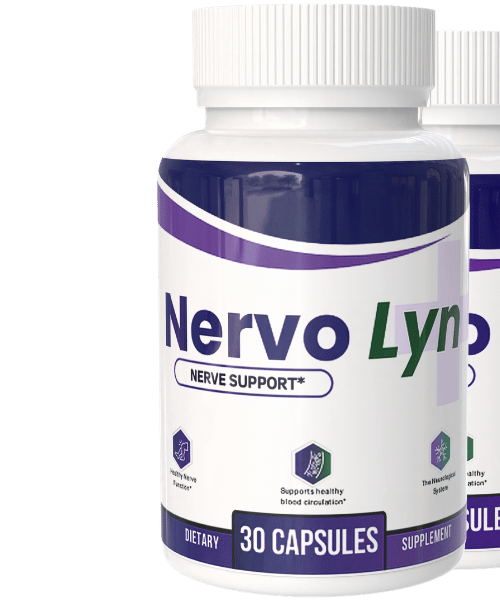
It was NervoLyn. Sherry, who spent twenty-six years reading recall notices and inspection sheets, put on Doreen's reading glasses and read the label twice before she'd say a word. Here's what was on it, and why it made sense to her once she understood the cord-and-coating picture:
- Alpha lipoic acid. The company calls it one of the most studied antioxidants for the nerves in the hands and feet, there to help protect nerve tissue from everyday wear. "That's the one for the rust," she said.
- Turmeric extract, standardized to 95% curcuminoids. For the body's normal inflammation response around stressed nerves. Not the grocery-store powder she'd already given a month.
- Butcher's broom. An old herb for circulation, to keep blood moving all the way down to the toes, where the longest nerves end.
- L-carnitine and Coenzyme Q10. Fuel for the cells, the energy a nerve needs for its own slow repair work.
- Magnesium glycinate, 80 mg. A gentle form of magnesium the company ties to calmer nerve signals and better sleep. For someone whose feet lit up at bedtime, that one got her attention.
She took the label to her doctor before opening it. Her doctor said nothing on it should clash with her nerve-pain medicine or her blood pressure pill, told her to keep working on her blood sugar, and to keep checking her soles every night. It's one capsule a day.
What Sherry noticed, a stretch at a time
- Week 1. Nothing she could point to. She kept the peas in the freezer and the fan on.
- Weeks 2 and 3. A prickly, pins-and-needles feeling in her big toes that worried her. Doreen said she'd had it too. Some people notice feeling stir in a numb area before things settle, though nobody can promise that's what it is.
- Month 1. The first night she fell asleep with her feet under the sheet. Don noticed in the morning, because the fan was still off.
- Months 2 and 3. The burning still visits, but late in the evening and quieter, not at 2:40 a.m. She bowled all three games at the October league night with her shoes on.
Why does it take weeks? Because nothing in that bottle numbs anything or covers anything up. If the coating has been wearing thin for years, your body repairs it on its own schedule, and the longest nerves get their turn last. The company says most people notice early changes in about three to four weeks and fuller results over eight to twelve weeks of daily use. That's why Sherry, who never once let her bus run low on fuel, went to the larger supply after her first bottle.
If your feet feel like they're on a hot stove and your husband says they're cold, this is the bottle Doreen put on the scorer's table.
See what was in Doreen's bowling bag →Who it's for, and who it isn't
It may be worth a look if you're over 50, the burning started in your toes on both feet, it's worse when you lie down, your feet feel hot to you but not to anyone touching them, and a doctor has checked the basics or you're waiting to be seen.
See a doctor first, not a blog, for anything on the emergency list above, especially a foot that is truly hot, red or swollen. If you take medicine for blood sugar, blood pressure, blood thinning or nerve pain, or you're pregnant or nursing, show your doctor the label first. A supplement is not a substitute for finding out what's causing your neuropathy.
Sherry's reason for saying yes was simple: sixty days to find out, with her money back if her feet didn't notice. One order, nothing that renews on its own, made in the United States in a GMP-certified facility. "Sixty days," she said. "I've had longer stretches of frozen peas."
Every month that coating keeps wearing is another month of your feet reporting a fire that isn't there. Sherry's one regret is the summer she spent fighting it with a bag from the freezer.
Start your 60 days before another hot night →So, what does it mean when your feet are burning hot?
If they feel hot to you but feel normal or cool to someone else's hand, and it's worse at night, the most common answer is irritated or damaged nerves, and the most common cause is blood sugar. Get the workup: blood sugar and A1c, B12, thyroid, kidneys. If one foot is truly hot, red or swollen, don't wait. And when you're in the exam room, ask the question Sherry wishes she'd asked sooner: what can I do to support the nerve itself, not just the burning? Results vary from person to person, and Sherry's are her own. She still sees her doctor, still watches her sugar, and still checks her soles every night.
P.S. Don finally moved the fan back to the garage. If you're the one with your feet out from under the sheet tonight, here's what Doreen showed Sherry at the bowling alley. And if you're still waiting on a specialist, Ray's story about the five-month wait and the one question his visit never got to is worth reading before you go in.
Individual results vary. Reader stories reflect personal experiences; names and some details changed for privacy. This is an advertisement and not a news article. Statements have not been evaluated by the FDA. This product is not intended to diagnose, treat, cure or prevent any disease.