
Reader Story
Neuropathy Specialist Near Me: Ray Waited Five Months for the Appointment. Here's What It Checked, and the One Question It Never Got To
The nerve test, the blood work, the prescription and the follow-up in six months. All of it mattered. And none of it touched the part of the nerve that had been wearing thin in his feet for years.
By the HealthVital editorial team · 8 min read
Ray, 67, typed neuropathy specialist near me into his phone on a Sunday night in May, sitting on the edge of the bed with his feet on the cold floor because it was the only thing that made the burning bearable. He's a retired mail carrier from outside Toledo, Ohio. Thirty-four years on his feet, and now his feet felt like they belonged to someone else: numb toes, a hot sunburned feeling on the soles, and little electric jolts the minute he lay down. The first neurologist who took his insurance had an opening in October. Five months.

If you're searching the same thing right now, you are not alone, and you're doing the right thing. Burning, numb or tingling feet deserve a real workup. But Ray told us something after his appointment that we think every reader should hear before they go in: "It was a good visit. It just wasn't the visit I thought I was getting."
What a neuropathy appointment usually checks
Ray's October visit was with a neurologist, the kind of specialist most people mean when they search for one. Some people are sent to a podiatrist or an endocrinologist first, depending on where the trouble seems to start. Here is roughly what his visit covered, and what yours likely will too:
- A history. When it started, which feet, whether it's climbing, what makes it worse at night. Write this down before you go. Ray had his on an index card and the doctor thanked him for it.
- A hands-on exam. A tuning fork on his big toe, a little filament pressed into his soles, his reflexes, and his balance with his eyes closed. He failed the eyes-closed part, which surprised him.
- Blood work. Blood sugar and A1c, B12, thyroid, kidney function and a few others. These look for the causes that are most common and most fixable.
- Possibly a nerve conduction test. Small pads and mild shocks that measure how fast and how strongly a signal travels down the nerve. Ray's showed the signal to his feet was slow and weak on both sides.
All of that matters. Finding the cause is the most important thing a specialist does, and two of the most common causes, uncontrolled blood sugar and low B12, can be addressed.
When you shouldn't wait for the appointment
A five-month wait is common. These are not things to wait five months on. Call your doctor today or go to urgent care if:
- the numbness or weakness came on suddenly, or is only on one side of your body;
- it comes with a drooping face, trouble speaking or a sudden severe headache;
- you have a sore, blister or burn on your foot that isn't healing, or is red, warm or draining;
- you're losing control of your bladder or bowels.
What Ray walked out with
A diagnosis: peripheral neuropathy, most likely from years of borderline blood sugar nobody had pushed him to take seriously. A prescription for one of the common nerve-pain medicines. Advice to walk, watch his sugar, check his feet every night. And a follow-up in six months.
He took the prescription. It helped him sleep. It also made him so groggy he missed the turn to his own grandson's school one afternoon, so his doctor lowered the dose, and that's between the two of them. If you're on one of these medicines, please don't stop it on your own.
What bothered Ray was something else. In the parking lot he said to his wife, "He told me what it is and gave me something for the pain. What's being done about the nerve?"
The question the visit never got to
That's the question we keep coming back to on this site. Think of a nerve in your foot like the electrical cord on an old lamp. The copper wire inside carries the signal. The coating around it keeps that signal clean and fast. When the coating wears thin, from years of high blood sugar or simply years, it can break down slowly, like rust working under paint. The signal starts leaking. You feel the leak as burning, zapping, pins and needles, or that strange padded numbness. And the nerve conduction test Ray took? It was measuring exactly that: a signal moving slow and weak down a worn cord.
Pain medicine works on how loudly you feel the leak. Blood sugar control helps stop more wear from happening. Both are important. But in a fifteen-minute follow-up, there's rarely time to talk about supporting the coating itself, the slow repair work that the longest nerves in your body need most and get last. That's not a knock on Ray's neurologist. It's just not what the visit is built for.

What Ray tried while he waited for the next visit
- B12 from the drugstore. His level had come back low-normal, so his doctor said it couldn't hurt. Fair enough. He didn't feel a difference, which is common when B12 isn't the main cause.
- A menthol cream. Cool for an hour at bedtime. Then the burning came back on its own schedule.
- A foot massager from a TV ad. His wife uses it now. He says it "massages the outside of a problem that's on the inside."
- Turmeric capsules from the grocery store. A neighbor swore by them. He took them for two months. Nothing, which, as he later learned, may have more to do with which kind and how much than with turmeric itself.
The bottle from the old route
The turn came from somebody on his old mail route. A retired schoolteacher named Arlene, 72, whose house he delivered to for nineteen years. He ran into her at the pharmacy counter in late August. She asked how retirement was treating him, he said "fine except for my feet," and she laughed and said, "Mine too. Or it was."
Arlene had been through the same waiting room, the same tuning fork and the same prescription two years before. Her neurologist had told her what her nerve test showed. A friend from her water aerobics class had told her what to do about the coating. She reached into her pharmacy bag, took out a bottle, and set it on the counter between them.
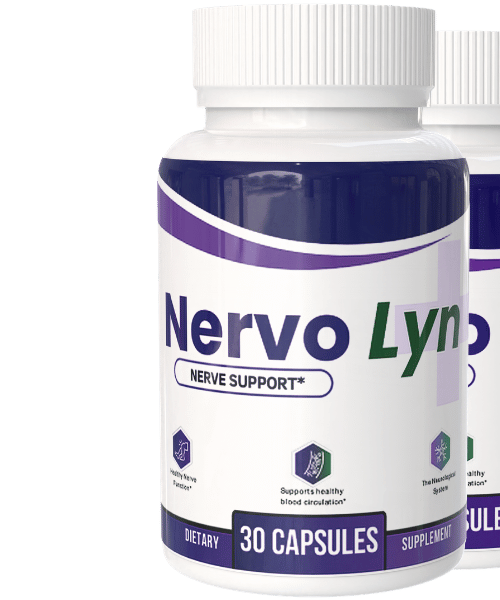
It was NervoLyn. Ray, who spent thirty-four years reading addresses carefully, read the back of that bottle twice standing in the pharmacy line. Here's what was on it, and why it made sense to him after his nerve test:
- Alpha lipoic acid. The company calls it one of the most studied antioxidants for the nerves in the hands and feet, there to help protect nerve tissue from everyday wear. "So that's for the rust," he said.
- Turmeric extract, standardized to 95% curcuminoids. For the body's normal inflammation response around stressed nerves. Not the grocery-store kind he'd been taking.
- Butcher's broom. An old herb for circulation, to keep blood moving all the way to the toes, where the longest nerves end.
- L-carnitine and Coenzyme Q10. Fuel for the cells, the energy a nerve needs for its own slow repair work.
- Magnesium glycinate, 80 mg. A gentle form of magnesium the company ties to calmer nerve signals and better sleep.
He took the label to his primary care doctor rather than wait for the six-month follow-up. She looked it over, said nothing on it should clash with his lowered nerve-pain dose or his blood pressure pill, and told him to keep walking and keep checking his soles. It's one capsule a day.
What Ray noticed, a stretch at a time
- Week 1. Nothing. He kept walking the reservoir and kept the menthol cream for bad nights.
- Weeks 2 and 3. A new prickly feeling in his big toes that made him nervous. Arlene told him she'd had it too. Some people notice tingling return to a numb area before more normal feeling comes back, though nobody can promise that's what it is.
- Month 1. He slept until 6 a.m. four nights in a row. His wife noticed before he did, because she wasn't being woken up by him getting up.
- Months 2 and 3. At his follow-up, he passed the eyes-closed balance test he failed in October. His neurologist wrote something in the chart and said, "Whatever you're doing, keep doing it."
Why does it take weeks? Because nothing in it numbs or covers anything. If the coating has been wearing thin for years, the body repairs it on its own schedule, and the longest nerves get their signal back last. The company says most people notice early changes in about three to four weeks and fuller results over eight to twelve weeks of daily use. That's why Ray, who never liked running out of anything on a route, went to the larger supply after his first bottle.
If you've got an appointment on the calendar months away and your feet won't wait, this is the bottle Arlene set on the pharmacy counter.
See what Arlene handed Ray at the pharmacy →Who it's for, and who it isn't
It may be worth a look if you're over 50, your symptoms started in the toes on both feet and are creeping upward, a doctor has checked the basics or you're waiting on that appointment now, and the creams and pills have helped your nights but not the direction things are heading.
See a doctor first, not a blog, for anything on the "don't wait" list above. If you take medicine for blood sugar, blood pressure, blood thinning or nerve pain, or you're pregnant or nursing, show your doctor the label first. A supplement is not a substitute for finding out what's causing your neuropathy.
Ray's reason for saying yes was mailman math. Sixty days to find out, with his money back if his feet didn't notice. One order, nothing that renews on its own, made in the United States in a GMP-certified facility. "Sixty days," he said, "is a lot shorter than five months."
Every month the coating keeps wearing is another month of signal leaking out of the longest nerves you have. Ray's only regret is the summer he spent just waiting.
Start your 60 days while you wait for your appointment →So, should you see a neuropathy specialist?
Yes. If your feet are burning, numb or tingling, get the workup: the history, the exam, the blood work and, if your doctor wants it, the nerve test. Bring your symptom list, a list of every medicine and supplement you take, and these three questions: What's causing it? Is it getting worse? And what can I do to support the nerve itself, not just the pain? Results vary from person to person, and Ray's are his own. He still sees his neurologist, still walks the reservoir, and still checks his soles every night.
P.S. Ray dropped a thank-you card in Arlene's mailbox last week. Old habits. If you're the one sitting on the edge of the bed with your feet on the cold floor tonight, here's what was in Arlene's pharmacy bag. And if you're still not sure your symptoms add up to neuropathy, Peggy's story about the four symptoms she blamed on her shoes is the place to start.
Individual results vary. Reader stories reflect personal experiences; names and some details changed for privacy. This is an advertisement and not a news article. Statements have not been evaluated by the FDA. This product is not intended to diagnose, treat, cure or prevent any disease.