
Reader Story
Pins and Needles in Feet When Lying Down? Arlene Thought She Was Sleeping Wrong. She Bought Three Pillows Before She Asked
Why feet tingle the minute you lie down, when it's just the way you sleep and when it's the nerves, the checks worth asking for, and what Arlene, 69, heard in the shallow end at Thursday water aerobics.
By the HealthVital editorial team · 8 min read
Arlene, 69, ran the cafeteria at an elementary school in Dayton for twenty-six years. Six hundred lunches a day, on her feet on a tile floor from six in the morning until the last tray came back. She never had a problem with her feet at work. The trouble started after she retired, and it always starts at the same moment: when she lies down.
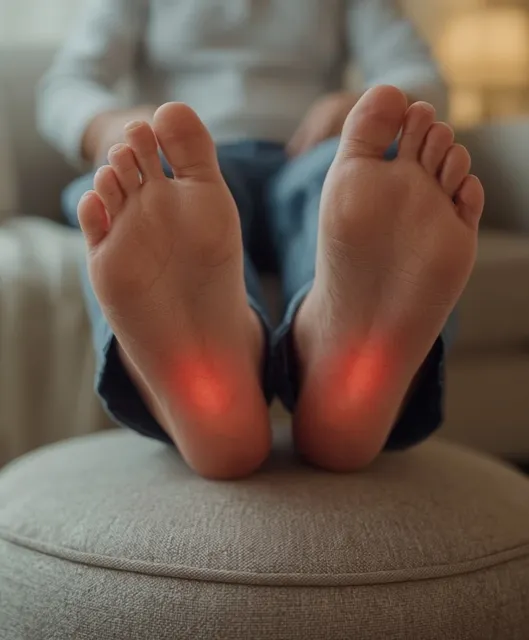
"I get into bed, I turn off the lamp, and within ten minutes my feet go to pins and needles," she told us. "Both of them. Like they fell asleep, except I'm the one who's awake." She'd read somewhere that it was probably the way she slept, so she bought a wedge pillow for her legs, then a body pillow, then a little one to put between her knees. Three pillows and a crowded bed later, one night last week she typed pins and needles in feet when lying down into her phone.

Pins and needles in feet when lying down: what it can mean
Almost everyone's foot falls asleep sometimes. What matters is the pattern:
- Position. Lying with your legs crossed, a heavy blanket tucked tight over the toes, or one leg pinned under the other can press on a nerve for a while. That tingling is usually on one side, and it fades a few minutes after you move.
- The quiet. In bed there's nothing else for the brain to pay attention to, so signals you'd never notice while cooking supper suddenly get loud. That's why nerve symptoms so often seem to "start" at night.
- Circulation changes. When you lie flat, blood flow to the feet shifts, and cold feet on cold sheets in November make it more noticeable.
- Peripheral neuropathy. If it's both feet, starts in the toes, shows up most nights no matter how you lie, and comes with burning, numbness or a "walking on socks" feeling during the day, that points toward the nerves themselves rather than the pillow.
Ask your doctor about blood sugar and A1c, B12 (especially if you take metformin or an acid reducer), thyroid, kidney function, and any medicines that can affect nerves. And get seen right away if the tingling is sudden, only on one side, comes with weakness, back pain with trouble controlling your bladder, or a sore on your foot you didn't feel.
Arlene tried the sensible things. They helped, but…
Besides the pillows, there were the loose bed socks, the foot rub her husband gives her during the late news, and a half-hour of the stationary bike after supper because her sister said it would "get the blood going." The bed socks kept her toes warm. The foot rub felt wonderful. The bike made her legs tired enough to fall asleep faster, some nights.
And still, ten minutes after the lamp went off, the pins and needles came. "It doesn't care how I lie," Arlene said. "Back, side, stomach, three pillows. It's like it's waiting for me." That's the clue. When something shows up every night regardless of position, the problem usually isn't the position.
Why the tingling waits until you lie down
The nerves that run to your feet are the longest in your body, and each one is wrapped in a thin protective sleeve. When that sleeve wears thin, the nerve starts misfiring. During the day, with the TV on and the grandkids on the phone, the brain filters a lot of it out. In a dark, quiet bedroom, the filter drops and every misfire gets through as pins and needles.
A sleeve doesn't wear thin from one bad night. It's usually two slow things working together over years: a low-grade inflammation around nerves that are already stressed, and weak blood flow to the far end of the line, where the feet get served last. The pillow changes the angle. It doesn't change either of those.
And there's a piece most people never hear about. A spice from the kitchen keeps turning up in the research on that inflammation around the nerve, but not the jar on the rack. The body barely absorbs it on its own, it needs a partner to get in, and the timing seems to matter. Which form, with what, and when, is the part nobody prints on a pillow tag.
What Rita said in the shallow end
Arlene goes to water aerobics at the Y every Thursday morning. Rita, 72, a retired bank teller, has been in the class longer than the instructor has. Last winter Rita sat out half the sessions on the bench by the pool. "My feet couldn't feel the bottom," she said. "It's a strange thing, standing in water and not being sure where the floor is."
This fall Rita was back in the front row for every song. So in the locker room, toweling off, Arlene asked her straight out what she'd changed. Rita laughed and said she'd been through the whole pillow stage too. "I had so many pillows my husband moved to the couch." What helped her, she said, was quitting the fight with how she lay down at night and working on the nerve every morning instead. She reached into her pool bag and handed Arlene the bottle.
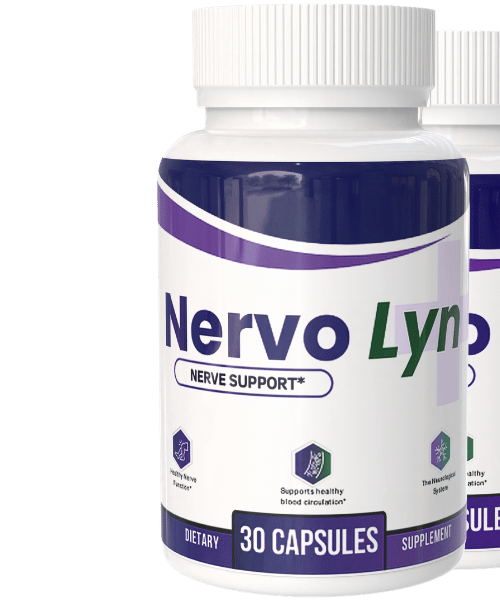
It was NervoLyn. Arlene, who checked every label on every case of food that came through her kitchen for twenty-six years, read this one standing in the locker room in her flip-flops:
- Turmeric extract, standardized to 95% curcuminoids. For the body's normal inflammation response around stressed nerves. "That's the spice," Rita said. "The real one, not the kind in the cabinet."
- Butcher's broom. A traditional herb for circulation, to help blood reach the feet on cold nights.
- Alpha lipoic acid. An antioxidant the company describes as one of the most studied for the nerves of the hands and feet.
- Magnesium glycinate. The gentle form, which the company connects with calmer nerve signals and better sleep.
- L-carnitine and Coenzyme Q10. Cell fuel, so a tired nerve has the energy for its own repair.
Arlene did it the careful way. She showed the label to her pharmacist at the counter, who checked it against her blood pressure medicine and her cholesterol pill and told her to take it with breakfast. The pillows, she said, could stay if Arlene liked them.
What Arlene is watching for
- Week 1. Nothing yet. Rita told her not to expect anything and not to quit early.
- Weeks 2 and 3. Rita said there might be more tingling before less. Some people notice a nerve "wake up" before it calms down, though everyone is different.
- Month 1. That's when Rita stopped lying awake waiting for the pins and needles to start.
- Months 2 and 3. Where Rita is now: front row at water aerobics, feeling the bottom of the pool.
Why so slow? Because nothing in that bottle numbs anything. A sleeve that wore thin over years gets rebuilt on the body's schedule, and the longest nerves are served last. The company says many people notice early changes in three to four weeks and fuller results over eight to twelve. Arlene ordered the three-month supply. "I gave three pillows a fair chance," she said. "I can give this a winter."
If you're the one turning off the lamp and waiting for your feet to start, no matter how you lie or how many pillows are in the bed, this is the bottle Rita had in her pool bag.
See the label Arlene read in the locker room →Who it's for, and who it isn't
It may be worth a look if you're over 50, the pins and needles are in both feet, they show up most nights regardless of position, your doctor has checked the basics, and the pillows, socks and foot rubs help for an evening without changing what happens when the lamp goes off.
It isn't for you if the tingling came on suddenly or is only on one side, if a leg feels weak, or if you have back pain with bladder changes or a foot sore that won't heal. Those need a doctor first. If you take medicine for blood sugar, blood pressure, blood thinning, thyroid or nerve pain, have kidney problems, or are pregnant or nursing, show your doctor the label before starting, and never stop a prescription on your own.
The company offers a 60-day money-back guarantee. It's a one-time purchase, nothing that renews automatically, made in the United States in a GMP-certified facility. "Sixty days," Arlene said. "Less than I spent on pillows."
The nights only get longer from here until the solstice. Every one of them is another night the far end of the nerve goes without.
Give the nerve its own answer, not another pillow →So, why do your feet get pins and needles when you lie down?
Sometimes it's just position, and it goes away when you move. When it's both feet, most nights, no matter how you lie, it's more likely the nerves themselves: the quiet of the bedroom lets you notice misfires the day hides. Get the basic tests, keep your feet warm and the blankets loose, and get seen quickly for anything sudden or one-sided. Pillows change the angle, not the sleeve around the nerve or the blood flow that feeds it. Results with any supplement vary from person to person.
P.S. Last Thursday Arlene stayed in the pool for the whole class for the first time since summer. She says she still isn't sure about the bottom of the pool, but she's sure about the clock: she slept until 4:30. If you're the one with three pillows and the same pins and needles, here's what Rita pulled out of her pool bag. And if your legs, not your feet, are what won't settle at night, read how Joanne told restless legs from neuropathy.
Individual results vary. Reader stories reflect personal experiences; names and some details changed for privacy. This is an advertisement and not a news article. Statements have not been evaluated by the FDA. This product is not intended to diagnose, treat, cure or prevent any disease.