
Reader Story
Can You Have Neuropathy With a Normal A1c? Gene's Doctor Said His Sugar Was "Fine." His Feet Had Been Burning for Two Years
A 5.8 on the lab sheet, a pat on the shoulder, and feet that felt like they were standing in a skillet every night. Why the number and the nerves don't always agree, what to ask for, and the question nobody asked Gene.
By the HealthVital editorial team · 8 min read
Gene, 63, got his lab results on a Thursday and his answer on the same page: an A1c of 5.8. "Your sugar's fine," the nurse said on the phone. "Not even diabetic." Gene thanked her, hung up, and sat on the edge of the recliner rubbing the soles of his feet, the way he'd done every night for two years. Then he typed the question into his phone with his thumb: can you have neuropathy with a normal A1c?
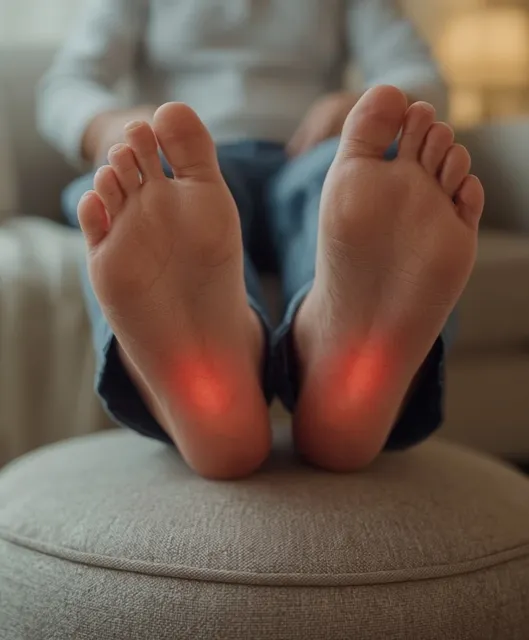
Gene spent thirty-four years fixing air conditioners in Lubbock, Texas. He knows what it looks like when the thermostat reads normal and the house is still too hot: the reading isn't lying, it's just not measuring the thing that's broken. That's exactly how his feet felt. Pins and needles in the toes that started around the time he retired. Then the burning at night. Then the cotton-ball numbness that made him look down to make sure his slippers were still on.
If you've been told your sugar is fine and your feet are telling you otherwise, this is for you. Because the short answer to Gene's question is yes, and most of what comes up when you search it stops right before the part that matters.
Yes, you can have neuropathy with a normal A1c
The A1c is a good test. It tells you your average blood sugar over the last two to three months. But an average is an average. Here's what it can miss:
- The spikes. Two people can have the same 5.8. One stays steady all day. The other shoots up after every plate of pasta and crashes back down. The average looks the same. The nerves may not see it that way.
- The years before. Nerve wear can start in the prediabetes years, long before a lab ever says "diabetes." Gene's 5.8 is technically in the prediabetes range, and nobody had used that word with him.
- Everything that isn't sugar. Low vitamin B12 (common in people who take metformin or acid-reflux pills, or just with age), thyroid problems, kidney trouble, alcohol, some medicines, and plain years of wear can all damage the nerves in the feet.
A study from a hospital in China, published October 7 in a journal called Frontiers in Endocrinology, makes the point well. Researchers screened 674 adults with type 2 diabetes. Nearly half had an abnormal result on a nerve screening test. And when they asked how well the A1c number alone could tell who had problems showing up in several parts of the body at once, it did barely better than a coin toss. Adding simple things like age, years with diabetes, weight and blood pressure did much better. The point isn't that the A1c is useless. It's that a "fine" number is not the same thing as "your nerves are fine."
When numb or burning feet can't wait
Before anything else: if the numbness came on suddenly, is only on one side, comes with leg weakness, a drooping face, slurred speech or trouble walking, call 911. If you have a sore, blister or cut on your foot that isn't healing, or a foot that is truly hot, red and swollen, see a doctor this week. Those are not blog problems.
What Gene tried, and why each one only got so far
Gene did what most people do once they've been told it's "not diabetes."
He tried the cooling gel from the pharmacy. It worked for about an hour. He tried soaking his feet in Epsom salt water. Nice, and gone by bedtime. He tried a vitamin B complex because his brother-in-law swore by it, and he did his best to cut back on the sweet tea. Each one, he said, "turned the fan on for a while. Nobody fixed the unit."
And that's fair to all of them. Cooling and soaking can calm the signal. Checking B12 is genuinely smart and worth a blood test. But none of them was aimed at the part of the nerve that was wearing out.
The part of the nerve most answers skip
Picture the nerve that runs down to your big toe as the longest wire in the house. The copper carries the signal. The insulation around it keeps the signal clean. When that insulation wears thin, whether from years of spikes, low B12, or just years, the signal starts leaking. That leak is what you feel as burning, buzzing and that cotton-under-the-foot numbness. It shows up in the toes first because that's the longest run of wire you have.
So the useful question isn't only "what's my A1c." It's "what is wearing the insulation thin, and is anything helping put it back?" That's the question Gene's lab sheet never asked.
There's a doctor with close to thirty years in practice who has spent a good while on that exact question. He talks about the insulation wearing down like rust, and a simple morning habit he believes may support it, built around one spice that's probably already in your cupboard. He's fussy about it, though: which kind, how much, and at what hour. And he says the jar most Americans have isn't the same thing at all.
The neighbor with the garden hose
The turn came from across the fence. Arlene, 70, lives next door and waters her tomatoes every evening at the same hour Gene sits on his porch with his shoes off. In September she watched him rub his feet for the third night in a row and said, "Burning?"

Arlene's numbers had been "fine" too, she said, and her feet had burned for three years anyway. Her sister finally sent her something. She went inside, came back with a bottle, and set it on top of the fence post between their yards. "Read the back before you say no. That's all I ask."
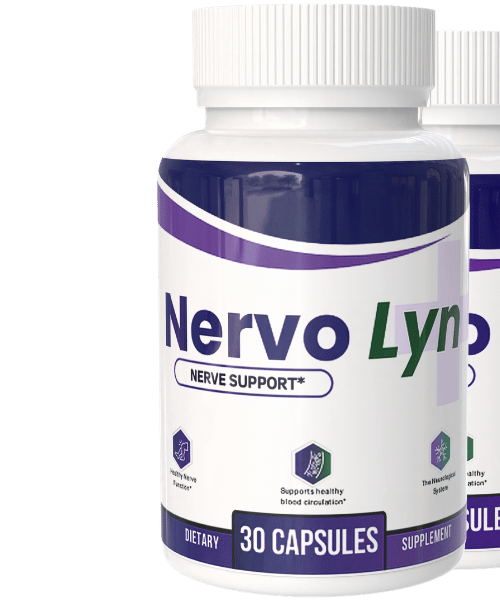
It was NervoLyn. Gene put on his reading glasses, the same ones he used for the tiny print on compressor nameplates, and read the whole label right there in the porch light:
- Alpha lipoic acid. The company calls it one of the most studied antioxidants for the nerves in the hands and feet, there to help protect nerve tissue from everyday wear. "That's the rust," he said.
- Turmeric extract, standardized to 95% curcuminoids. For the body's normal inflammation response around stressed nerves. Not the yellow powder in Arlene's spice rack.
- Butcher's broom. An old herb for circulation, to keep blood moving all the way to the end of the longest wire.
- L-carnitine and Coenzyme Q10. Fuel for the cells, the energy a nerve needs for its own slow repair.
- Magnesium glycinate, 80 mg. A gentle form of magnesium the company ties to calmer nerve signals and better sleep. For a man who hadn't slept through the night since he retired, that one stood out.
He took the label to his doctor first, and this time he asked for two more things: a B12 test and the word "prediabetes" said out loud. His B12 came back on the low side, so his doctor started him on that too, said nothing on the NervoLyn label should clash with his blood pressure pill, and told him to keep checking the soles of his feet every night. One capsule a day.
What Gene noticed, a stretch at a time
- Week 1. Nothing he could point to. He kept the cooling gel on the nightstand.
- Weeks 2 and 3. A prickly feeling in the balls of his feet that worried him. Arlene said she'd had it too. Some people notice feeling stir in a numb area before it settles, though nobody can promise that's what it is.
- Month 1. He felt the rug under his bare feet getting out of bed. He told Arlene over the fence like it was the weather report.
- Months 2 and 3. The burning still comes on long days, but later and softer. He hasn't opened the cooling gel since September.
Why so slow? Because nothing in that bottle numbs anything. If the insulation has been wearing for years, the body repairs it on its own calendar, and the longest wire gets its turn last. The company says most people notice early changes in three to four weeks and fuller results over eight to twelve weeks of daily use. Gene, who never sold a customer a part before he'd found the real problem, went to the larger supply after the first bottle.
If your lab sheet says fine and your feet say otherwise, this is the bottle Arlene set on the fence post.
See the label Gene read in the porch light →Who it's for, and who it isn't
It may be worth a look if you're over 50, the burning, tingling or numbness started in your toes on both feet, your sugar has been called "fine" or "borderline," and the creams, soaks and vitamins quiet it for a few hours and then let go.
See a doctor first, not a blog, for anything on the emergency list above. Ask for B12, thyroid and kidney tests if nobody has checked them. If you take medicine for blood sugar, blood pressure, blood thinning or nerve pain, or you're pregnant or nursing, show your doctor the label first. A supplement is not a substitute for finding out what's causing your neuropathy.
Gene's reason for saying yes was the same one he used to give customers: try it, and if it doesn't fix the problem, you don't pay. The company gives you sixty days, with your money back if your feet don't notice. One order, nothing that renews on its own, made in the United States in a GMP-certified facility.
A "fine" number can buy the wear another two years. Gene's one regret is the two years he spent believing the lab sheet over his own feet.
Start your 60 days, whatever your A1c says →So, can you have neuropathy with a normal A1c?
Yes. The A1c is an average, it can hide the spikes, and plenty of things besides sugar can wear on the nerves. If your feet burn, tingle or go numb and your number is "fine," ask about the prediabetes range, B12, thyroid and kidneys, and ask the question Gene wishes he'd asked two years sooner: what can I do to support the nerve itself, not just quiet the burning? Results vary from person to person, and Gene's are his own. He still sees his doctor, still watches his sweet tea, and still checks his soles every night.
P.S. Gene taped the lab sheet with the 5.8 inside his kitchen cabinet, next to the number for his old service truck. Under it he wrote, "Fine is not a diagnosis." If you're on your own porch tonight rubbing your feet with a "normal" number on the fridge, here's what Arlene set on the fence post. And if your feet feel hot to you but cold to everyone else, Sherry's story about the frozen peas and the bowling bag goes right alongside this one.
Individual results vary. Reader stories reflect personal experiences; names and some details changed for privacy. This is an advertisement and not a news article. Statements have not been evaluated by the FDA. This product is not intended to diagnose, treat, cure or prevent any disease.