
Reader Story
Feet Feel Cold but Are Warm to the Touch? Shirley's Husband Held Her Foot and Said "You're Warm." She Was Wearing Two Pairs of Socks
Why your feet can feel like ice when the skin is warm, what that strange mismatch usually means, what actually helps on long November nights, and the question Shirley, 69, asked a friend at water aerobics.
By the HealthVital editorial team · 8 min read
Shirley, 69, drove a city bus in Akron for twenty-eight years, through every kind of Ohio winter there is. She knows cold. So on the first night the furnace came on in October, when she sat on the edge of the bed in two pairs of wool socks with her feet feeling like she'd been standing in a snowbank, she asked her husband to feel them. Ray wrapped his hand around her foot, frowned, and said, "Shirl, you're warm. You're warmer than me."
"That's the part that scared me," she told us. "If I'm warm, why do I feel frozen? Either my feet are lying or my husband is."
Ray went to sleep. Shirley didn't. At midnight she typed feet feel cold but are warm to the touch into her phone, then "neuropathy," because her doctor had used that word in the spring and she'd put it out of her mind.

Why do my feet feel cold but are warm to the touch?
When feet feel icy but the skin is warm, the problem is usually not the temperature of your feet. It's the message. The nerves that report "cold" are sending the wrong signal. A few common reasons:
- Peripheral neuropathy. Damaged small nerves in the feet can misfire and report cold, burning or "wet sock" sensations that aren't really there. It's one of the earliest and most common signs, especially with diabetes or prediabetes.
- Low B12 or thyroid problems can cause the same mixed-up signals, and both are easy to check with bloodwork.
- Circulation. When feet are actually cold to the touch, pale or bluish, the issue may be blood flow, which needs a doctor's look. Many people have a bit of both.
- Cold weather and dark evenings make it louder. The small blood vessels in the feet tighten when it's cold, and a quiet house at night gives the brain nothing to listen to except your feet.
What helps on the cold-feeling nights
- Warm the room, not the feet. A steady, comfortable bedroom beats a heating pad. Feet that misread temperature can't always tell when they're getting too hot, and burns happen.
- Loose wool or bamboo socks, one pair, not two tight ones that squeeze circulation.
- Move them before bed. A few minutes of ankle circles and toe curls gets blood moving down there.
- Check your feet every night with a mirror or your phone camera. Numb feet hide blisters and cuts.
- Tell your doctor and ask for blood sugar, B12 and thyroid to be checked. That mismatch is a real symptom, not your imagination.
See a doctor promptly if your feet are cold to the touch and pale or blue, if it came on suddenly or only on one side, or if it comes with weakness, a wound you didn't feel, or trouble with balance.
Shirley tried all of it. It helps, but…
Shirley being Shirley, she attacked it like a snow route. She bought the wool socks. She did the ankle circles in front of the evening news. She turned the thermostat up two degrees, which Ray complained about in a sweatshirt. She put a hot water bottle at the foot of the bed until she woke up one morning with a red mark on her heel she hadn't felt at all, and that was the end of the hot water bottle.
The socks helped her feel cozier. The circles helped for a few minutes. But nothing changed what her feet were telling her. "I can put a coat on them," she said. "I can't make them tell the truth."
Every one of those steps is good advice, and none of it is wasted. But they all work on the outside of the foot, and the problem is a nerve that's reporting the wrong thing from the inside.
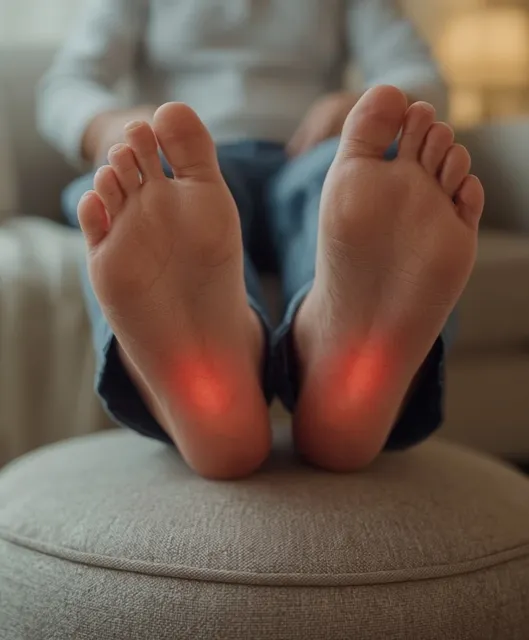
Why a warm foot can feel frozen
The nerves that run to your toes are the longest in your body, and each one is wrapped in a thin protective coating, like the rubber around a wire. When that coating wears thin, the nerve stops carrying signals cleanly. Some messages don't arrive, which is the numbness. Some arrive garbled, and "cold" is one of the most common garbled messages there is. The foot is warm. The wire is just crossed.
What wears the coating down is usually slow and quiet: a low-grade inflammation around nerves that are already stressed, and poor blood flow to the very end of the line, where the feet get served last. When November comes and the vessels tighten, those nerves get even less. That's why so many readers tell us the cold feeling started the same week they turned the furnace on. And there's a common kitchen spice that keeps turning up in the research on that first part, the inflammation, but not the jar in your cupboard, and not taken the way most people would guess. Which one, with what, and when, is the part nobody told Shirley.
The friend at water aerobics
Shirley's friend Arlene, 72, a retired school librarian, is the one who talked her into water aerobics at the Y three years ago. Arlene has had neuropathy in both feet for a decade. Shirley remembered her keeping her water shoes on in the locker room, even in the shower, because the cold tile "felt like knives."
At Tuesday's class Arlene walked across the pool deck barefoot. Shirley noticed. After class, in the locker room, she asked straight out: "Your feet. What happened?"
"I did the socks too, honey," Arlene said. "Every kind. My feet felt cold in July." What changed it, she said, was something she started taking every morning that worked on the coating and the circulation together, instead of bundling her feet up every night. She took the bottle out of her gym bag.
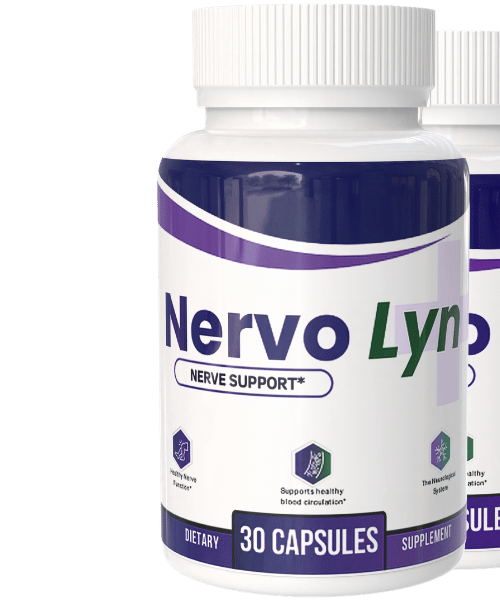
It was NervoLyn. Shirley read labels on the bus route for twenty-eight years, every sign and every schedule, so she read this one under the locker room light, line by line:
- Turmeric extract, standardized to 95% curcuminoids, for the body's normal inflammation response around stressed nerves. "Not the spice rack," Arlene said.
- Butcher's broom, a traditional herb for circulation, to help blood make the long trip down to the toes when it's cold out.
- Alpha lipoic acid, an antioxidant the company describes as one of the most studied for the nerves of the hands and feet.
- Magnesium glycinate, the gentle form the company connects with calmer nerve signals and better sleep.
- L-carnitine and Coenzyme Q10, fuel for the cells so a tired nerve has the energy for its own slow repair.
"So the socks keep them company and this fixes the wiring," Shirley said. She took the label to her doctor the next week, who ordered the B12 and thyroid tests she'd skipped in the spring, checked the bottle against her blood pressure pill, and told her to take it with breakfast and keep checking her feet at night.
What Shirley is watching for, week by week
- Week 1: nothing yet. Same two pairs of socks at night. Arlene told her not to expect anything the first week.
- Weeks 2 and 3: Arlene felt pins and needles around then, the nerves stirring before settling. Some people do; nobody can promise it.
- Month 1: this is when Arlene first noticed her feet felt "regular" in bed, not frozen and not burning.
- Months 2 and 3: where Arlene is now. Barefoot on the pool deck, and the water shoes live in the trunk of her car.
Why so slow? Nothing in that bottle warms anything or numbs anything. A coating that wore thin over years is rebuilt on the body's own schedule, and the longest nerves are last in line. The company says many people notice early changes in three to four weeks and fuller results over eight to twelve. Shirley ordered the three-month supply. "That gets me to the end of January," she said. "If my feet tell the truth by then, I'll believe them."
If your feet feel like ice while your husband swears they're warm, this is the bottle Arlene took out of her gym bag.
See the label Shirley read in the locker room →Who it's for, and who it isn't
It may be worth a look if you're over 50, the cold, numb, tingling or burning feeling is in both feet, your doctor has checked the basics, and the socks and tricks make the night more comfortable without changing what your feet tell you.
It isn't for you if your feet are actually cold to the touch and pale or bluish, if this came on suddenly or on one side only, or if it comes with weakness or a sore that won't heal: that's a doctor visit first. If you take medicine for blood sugar, blood pressure, blood thinning, thyroid or nerve pain, have kidney problems, or are pregnant or nursing, show your doctor the label before you start, and never stop a prescription on your own.
The company offers 60 days to try it, with your money back if your feet don't notice the difference. It's a one-time order, made in the United States in a GMP-certified facility. "Sixty days is two months of water aerobics," Shirley said. "Arlene will hold me to it."
The nights are only getting longer from here, and every cold one is another night the nerves at the end of the line go without. Shirley wishes she'd asked Arlene about the water shoes last winter.
Give your feet a better winter than last one →So, why do your feet feel cold when they're warm?
Most often it's the nerves, not the temperature: damaged small nerves sending a "cold" signal that isn't real, common with neuropathy and made louder by cold weather and quiet nights. Keep the room warm instead of the feet, wear loose socks, move your ankles, check your feet every night, and ask your doctor to check blood sugar, B12 and thyroid. If your feet are cold to the touch and pale or blue, that's a circulation question your doctor should see soon. Results with any supplement vary from person to person, and Arlene's are her own.
P.S. Last night, the first long night after the clocks fell back, Ray turned the thermostat back down and Shirley let him. She went to bed in one pair of socks. If you're the one sitting on the edge of the bed in a warm room with frozen-feeling feet, here's what Arlene had in her gym bag. And if the sheets have started to bother you too, read what Wanda sewed for the foot of her bed.
Individual results vary. Reader stories reflect personal experiences; names and some details changed for privacy. This is an advertisement and not a news article. Statements have not been evaluated by the FDA. This product is not intended to diagnose, treat, cure or prevent any disease.