
Reader Story
Can't Stand the Sheets Touching Your Feet at Night? Wanda Brought Out the Winter Quilt This Week. Her Feet Haven't Let Her Sleep Since
Why the weight of a sheet can feel like sandpaper on neuropathy feet, what actually helps you sleep with it, and the question Wanda, 68, finally asked her sister-in-law over Halloween candy.
By the HealthVital editorial team · 8 min read
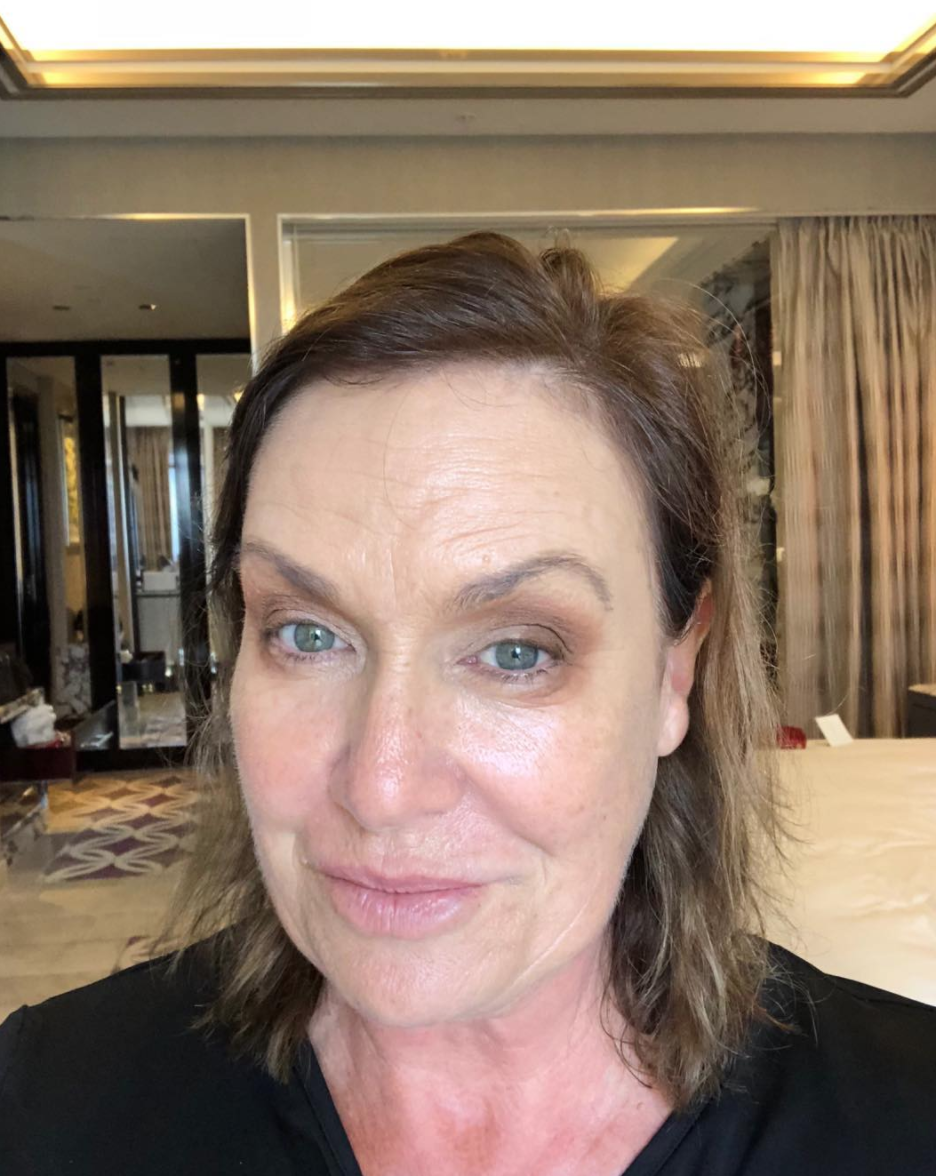
Wanda, 68, was a seamstress at a bridal shop in Dayton for thirty-four years. She knows fabric the way some people know faces. So when she pulled the heavy winter quilt out of the cedar chest this week, the one her mother pieced in 1971, she expected the first cold night under it to be the coziest of the year. Instead she lay awake until three, with her feet stuck out from under the covers in a forty-degree bedroom, because she couldn't stand the sheets touching her feet.
"It isn't the cold," she told us. "It's the touch. The sheet lands on my toes and it feels like sandpaper and a sunburn at the same time. Thirty-four years of satin and I can't stand a cotton sheet."
Her husband sleeps like a log. So at three in the morning, with her feet out in the cold air, Wanda typed it into her phone, word for word.
Why can't I stand the sheets touching my feet at night?
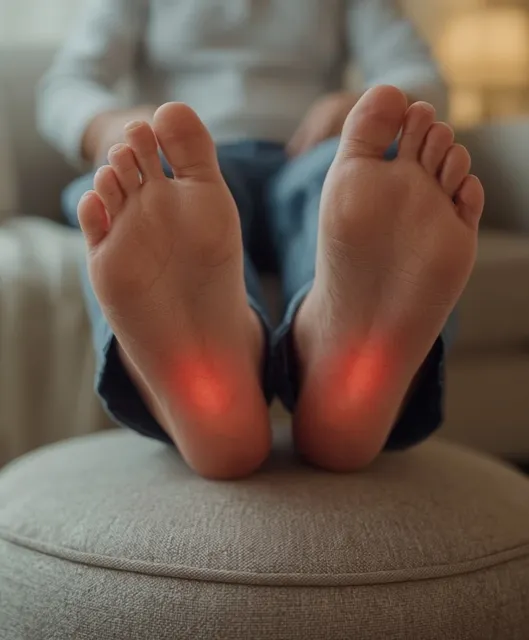
There's a name for this: allodynia. It means something that shouldn't hurt, like a light sheet, a sock seam or a brush of the blanket, gets read by the nerves as pain. It's one of the most common and least talked-about signs of peripheral neuropathy, and it tends to be worst at night, for a few reasons:
- The house goes quiet. All day your brain is busy with other signals. At night, the only thing left to listen to is your feet.
- Your body temperature shifts as you fall asleep, and damaged nerves are touchy about warm and cold.
- The covers press in one place for hours. A sheet that rests on your toes all night is a steady signal that irritated nerves keep "re-reading."
- Cold weather tightens the small blood vessels in the feet, which is why so many people say the sheet started hurting the same week the furnace came on.
What helps you sleep with it
- Get the covers off your feet without getting cold. A simple bed cradle or "blanket lifter" at the foot of the bed keeps the sheet up off your toes. A firm pillow under the sheet at the foot end works too.
- Loose, seamless socks in soft wool or bamboo can feel better than a bare foot against a sheet, because the sock doesn't move against the skin.
- Try smoother fabric. Some people do better with sateen or silky sheets than with crisp percale or flannel.
- A cool, steady room, not overheated. Skip the electric blanket on your feet, since numb feet can't tell when they're too hot.
- Tell your doctor it's happening. This kind of pain has its own treatments, and it's a reason to recheck blood sugar, B12 and thyroid.
Get checked soon if it came on quickly, is only on one side, or comes with weakness, a wound you didn't feel, or trouble with balance.
Wanda tried all of it. It helps, but…
Wanda being Wanda, she sewed her own blanket lifter out of a quilting frame and a curtain rod. It worked, mostly. She switched to the sateen sheets she'd been saving for company. She bought the seamless socks. She went from awake until three to awake until one.
But underneath the tricks, her feet hadn't changed. Numb in the soles in the daytime, raw on top at night. "I built a tent so my feet don't have to feel the sheet," she said. "That's not fixing them. That's hiding them."
Every one of those tricks keeps the sheet away from the nerve. None of them does anything about why the nerve started reading a sheet as sandpaper in the first place.
Why a sheet can feel like sandpaper
The nerves that reach your toes are the longest in your body, and each one is wrapped in a thin protective coating, a little like the lining sewn into a good jacket. When that coating wears thin, the nerve stops carrying signals cleanly. Some messages don't get through at all, which is the numbness in the soles. Others get through too loud and scrambled, which is how the weight of a sheet turns into pain on the top of the foot. Numb and raw at the same time is the coating wearing thin in two different ways.
What wears it down is usually slow and quiet: a low-grade inflammation around nerves that are already stressed, and poor blood flow to the very end of the line, where the feet get served last. A blanket lifter can't reach either one. A pill that numbs the night can't either. And there's a common kitchen spice that keeps coming up in the research on the first part, but the jar in your cupboard isn't the version that was studied, and it barely gets absorbed unless it's taken with something specific. Which spice, paired with what, and why the time of day matters, nobody had told Wanda.
The sister-in-law and the Halloween candy
Wanda's sister-in-law Juanita, 71, a retired school cafeteria manager, came over Thursday to help fill the candy bowl for the trick-or-treaters. Juanita has had neuropathy for nine years. Wanda remembered her sleeping on top of the covers at the lake house two summers ago, for the same reason.
So while they were dumping fun-size bars into Wanda's big glass bowl, Wanda asked: "Do the sheets still bother you?"
"Not since spring," Juanita said. She'd used the tricks too, she said, the socks, the pillow under the sheet. What changed things was something she started taking every morning that went after the coating and the circulation together instead of just hiding her feet from the covers. She dug the bottle out of her purse.
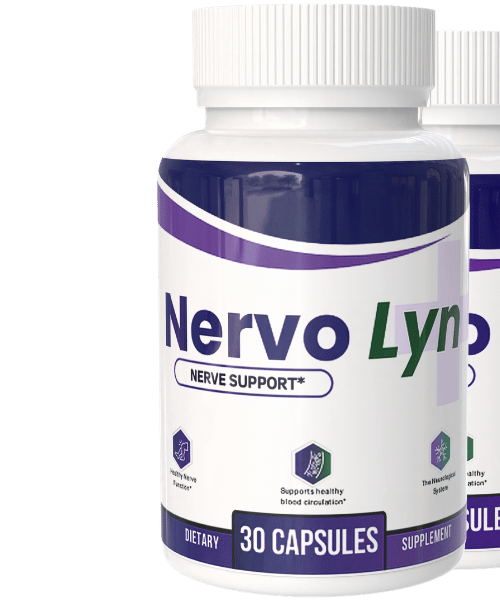
It was NervoLyn. Wanda has read care labels on fabric for half her life, so she held the bottle up to the kitchen light and read every line:
- Turmeric extract, standardized to 95% curcuminoids, for the body's normal inflammation response around stressed nerves. "Not the spice rack," Juanita said.
- Butcher's broom, a traditional herb for circulation, to help blood make the long trip down to the toes on cold nights.
- Alpha lipoic acid, an antioxidant the company describes as one of the most studied for the nerves of the hands and feet.
- Magnesium glycinate, the gentle form the company connects with calmer nerve signals and better sleep.
- L-carnitine and Coenzyme Q10, fuel for the cells so a tired nerve has energy for its own slow repair.
"So the tent hides them and this works on them," Wanda said. She took the label to her doctor the next week, who checked it against her blood pressure and cholesterol pills, told her to take it with breakfast, and to keep checking her feet every night before bed.
What Wanda is watching for, week by week
- Week 1: nothing new. Same tent, same one o'clock bedtime. Juanita told her not to expect anything yet.
- Weeks 2 and 3: Juanita noticed a pins-and-needles flicker in her feet around then, the nerves stirring before settling. Some people do; nobody can promise it.
- Month 1: this is when Juanita first slept with the sheet on her feet and didn't notice until morning.
- Months 2 and 3: where Juanita is now. The blanket lifter went back in the garage, and she can feel the kitchen floor through her slippers.
Why so slow? Nothing in that bottle numbs anything. A coating that wore thin over years is rebuilt on the body's own schedule, and the longest nerves are last in line. The company says many people notice early changes in three to four weeks and fuller results over eight to twelve. Wanda ordered the three-month supply to cover the whole winter. "You don't judge a quilt by the first block," she said.
If you've built yourself a tent at the foot of the bed so the sheet can't touch you, this is the bottle Juanita pulled out of her purse.
See the label Wanda read under the kitchen light →Who it's for, and who it isn't
It may be worth a look if you're over 50, the numbness, tingling, burning or sheet-sensitivity is in both feet, your doctor has checked the basics, and the tricks help you sleep without changing how your feet feel in the morning.
It isn't for you if this came on suddenly, is on one side only, or comes with weakness or a sore that won't heal: that's a doctor visit first. If you take medicine for blood sugar, blood pressure, blood thinning, thyroid or nerve pain, have kidney problems, or are pregnant or nursing, show your doctor the label before you start, and never stop a prescription on your own.
The company offers 60 days to try it, with your money back if your feet don't notice the difference. It's a one-time order, made in the United States in a GMP-certified facility. "Sixty days is a wedding season," Wanda said. "I've survived worse."
Every night you sleep with your feet hanging out in the cold air is another night the nerves don't get what they need. Wanda wishes she'd asked Juanita at the lake house two summers ago.
Let the quilt back on your feet this winter →So, why can't you stand the sheets touching your feet?
Most often it's allodynia from neuropathy: irritated nerves reading a light touch as pain, worse at night and worse in the cold. Lift the covers off your feet, try seamless socks and smoother sheets, keep the room cool and steady, and tell your doctor, because there are real treatments and the cause matters. What none of the tricks do is change the nerve itself. Results with any supplement vary from person to person, and Wanda's and Juanita's are their own.
P.S. The trick-or-treaters got the full-size bars this year because Wanda forgot to buy the fun-size, she was so busy reading that label. If you're the one lying awake at three with your feet out in the cold so the sheet can't find them, here's what Juanita had in her purse. And before you reach for a heating pad on those cold feet, read what happened to Earlene's heel.
Individual results vary. Reader stories reflect personal experiences; names and some details changed for privacy. This is an advertisement and not a news article. Statements have not been evaluated by the FDA. This product is not intended to diagnose, treat, cure or prevent any disease.