
Reader Story
Does Walking Help Neuropathy? Loretta Joined the Mall Walkers the Week It Turned Cold. By Lap Three She Couldn't Feel Her Feet
What walking really does for nerves in the feet, how to do it safely when they're numb, why some people walk every day and still lose ground, and what Loretta, 67, heard from the woman who lapped her twice.
By the HealthVital editorial team · 8 min read
Loretta, 67, worked the front desk of a dental office in Fort Wayne for twenty-six years. She is not a sit-still person. When her doctor told her two years ago that the numbness in her toes was neuropathy and that she should "keep moving," she took it as an assignment. She walked the neighborhood every morning, rain or shine, a mile and a half with a podcast in one ear.
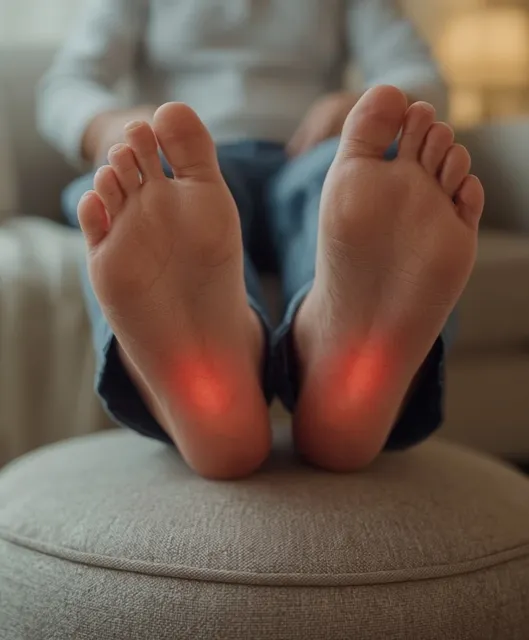
Then October came in cold. The sidewalks got slick with leaves, and her daughter made her promise to stop walking outside. So Loretta joined the mall walkers, the group that does laps at the mall before the stores open. The first Tuesday, somewhere around the third lap, she realized she couldn't feel her feet at all. Not tired, not sore. Gone. Like walking on two loaves of bread.
She sat on the bench outside the shoe store, took off a sneaker, and typed does walking help neuropathy into her phone. "I've walked every single day for two years," she told us. "Shouldn't my feet be better by now, not worse?"

Does walking help neuropathy? Yes, and here's what it actually does
Walking is one of the best things you can do when you have nerve trouble in your feet, and most doctors will tell you to keep at it. It gets blood moving to the far end of the legs, it helps the body handle blood sugar (the most common cause of neuropathy after 50), it keeps the muscles and joints strong enough to catch you when a foot lands wrong, and it helps balance stay sharp.
How to walk safely when your feet are numb or burning:
- Pick flat, even, well-lit ground, especially once the leaves and the frost arrive. Mall walking and indoor tracks are a smart winter move.
- Wear stable, roomy shoes and seamless socks, and never walk barefoot, even around the house.
- Shorter and more often beats long and once. Two fifteen-minute walks can be gentler on numb feet than one long one.
- Look at your feet after every walk. A blister you can't feel can turn into a wound in a few days.
- Add balance work, like standing on one foot while holding the kitchen counter, a few minutes a day.
Talk to your doctor before you change anything if you've fallen, if you have a sore on your foot, if one foot is numb and the other isn't, or if the numbness is moving up your legs quickly. Those need a closer look first.
What Loretta did. It helps, but…
Loretta did everything right. Good shoes. Seamless socks. She checked her feet every night with a hand mirror. She cut out the second glass of wine and kept her blood sugar in range. And the walking did help. Her doctor said her A1c looked better, her legs were stronger, and she hadn't fallen once.
But her toes kept going quieter. Every winter the numbness climbed a little higher, and the burning at night never really left. "The walking was doing everything for my heart and my legs," she said. "It just wasn't doing enough for my feet."
The part the quick answers don't tell you
Here's what nobody had told Loretta. Walking pushes blood toward the feet. But the nerves down there are wrapped in a thin protective coating, like the plastic insulation on a wire, and when that coating has been wearing thin for a while, more blood flow alone may not be enough for it to rebuild. The message from the sole of the foot gets lost on the way up. That's the bread-loaf feeling. Some of it shorts out instead, and that's the burning.
What keeps wearing the coating down, the way it was explained to Loretta, is a low, quiet inflammation around nerves that are already under stress. You can walk every day and still have that simmering in the background. And cold weather makes it worse: it narrows the small vessels in the feet, so the nerves at the very end of the line get even less of what they need.
There's an old kitchen spice that turns up again and again in the research on that inflammation. Which one, what it needs to be paired with before your body can actually absorb it, and why the time of day it's taken seems to matter, is the piece Loretta had never heard in two years of "keep moving."
The woman who lapped her twice
The second week, a woman named Bev, seventy, a retired church organist, passed Loretta twice before the pretzel place even opened. On the third pass she slowed down and walked with her. Loretta asked her straight out how she kept that pace.
"Two years ago I was the one sitting on that bench," Bev said. Neuropathy in both feet, she told Loretta, from years of borderline blood sugar nobody had taken seriously. She'd kept walking, kept seeing her doctor, but she'd stopped thinking the walking would fix the nerve by itself. "I started on something that goes after the coating and the circulation together. The walking does the rest." The next Tuesday she brought the bottle in her fanny pack and handed it to Loretta at the bench outside the shoe store.
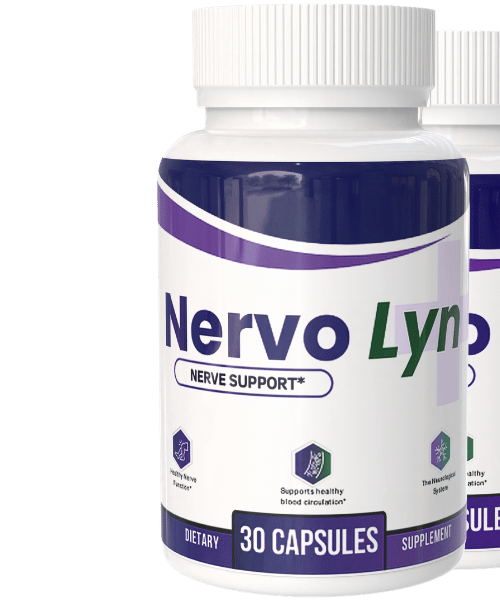
It was NervoLyn. Loretta spent twenty-six years reading insurance forms for a living, and she read that label like one, sitting on the bench in her walking shoes:
- Turmeric extract, standardized to 95% curcuminoids: for the body's normal inflammation response around stressed nerves. "So that's the spice." Bev only nodded.
- Butcher's broom: a traditional herb for circulation, to help the blood the walking pushes down actually reach the toes.
- Alpha lipoic acid: an antioxidant the company calls one of the most studied for the nerves of the hands and feet.
- L-carnitine and Coenzyme Q10: fuel for the cells, so a tired nerve has energy for its own slow repair.
- Magnesium glycinate: a gentle magnesium the company connects with calmer nerve signals and better sleep.
"It's the first thing anybody showed me that works on the same problem the walking was trying to work on," Loretta told us. She took the label to her doctor, who checked it against her metformin and her blood pressure pill, told her to keep walking, keep checking her feet with the mirror, take it with breakfast, and come back in February.
What Loretta noticed, and when
- Week 1: nothing she'd swear to. Bread loaves by lap three, same as before.
- Weeks 2 and 3: a warm, fizzy tingle in her left big toe on the drive home from the mall. Bev said hers started the same way, though nobody can promise what it means for anyone else.
- Month 1: she made it to lap five before her feet went quiet, and she noticed the cold tile in the food court through her socks when she stopped to stretch.
- Months 2 and 3: where Bev is now: passing people before the pretzel place opens.
Why so slow? Because nothing in that bottle numbs anything. A coating that wore thin over years gets rebuilt on the body's own schedule, and the feet, at the far end of the longest nerves in the body, get their turn last. The company says many people notice early changes in three to four weeks and fuller results over eight to twelve. Loretta ordered three months. "I already gave my feet eleven hundred miles," she said. "I can give them ninety days."
If you walk every day and your feet still go quiet by the third lap, this is the bottle Bev pulled out of her fanny pack at the bench.
Read the label Loretta read on the bench →Who it may suit, and who it doesn't
It may be worth a look if you're over 50, you have numbness, tingling or burning in both feet, your doctor has checked blood sugar, B12 and thyroid, and you're already doing the right things, walking included, without the feeling coming back.
It isn't for you if the numbness came on suddenly, is on one side only, comes with weakness, or if you have a foot sore that isn't healing. Those need a doctor first. If you take medicine for blood sugar, blood pressure, blood thinning or nerve pain, or are pregnant or nursing, show your doctor the label first, the way Loretta did, and never stop a prescription on your own.
The company gives you 60 days, with your money back if your feet don't notice. It's a one-time order, nothing that renews on its own, made in the United States in a GMP-certified facility. "Sixty days," Loretta said. "That's about a hundred and twenty laps."
Every cold month the coating stays thin, the bench outside the shoe store gets a little closer to lap one. Loretta wishes she'd given her feet help from the inside while she was giving them miles from the outside.
Start your 60 days before the winter laps →So, does walking help neuropathy?
Yes. Keep doing it. It helps blood flow, blood sugar, strength and balance, and it's one of the safest things you can do for numb feet as long as you walk on even ground, wear the right shoes and check your feet afterward. What walking may not do on its own is rebuild a nerve coating that has been wearing thin for years. Talk to your doctor about the cause and about what else could help. Results with any supplement vary from person to person, and Loretta's are her own. She still sees her doctor, and she still walks every morning.
P.S. Loretta and Bev walk together now, Tuesdays and Thursdays. Last week Loretta passed somebody for the first time and didn't say a word about it until they got to the pretzel place. If you're on your own bench tonight wondering why all those miles haven't brought your feet back, here's what Bev brought to the mall. And if the furnace coming on has your shins itching at night too, read what happened to Patrice this month.
Individual results vary. Reader stories reflect personal experiences; names and some details changed for privacy. This is an advertisement and not a news article. Statements have not been evaluated by the FDA. This product is not intended to diagnose, treat, cure or prevent any disease.