
Reader Story
Can Neuropathy Cause Itching? Patrice Scratched Her Shins Raw Every Night After the Furnace Came On. The Lotion Was Never the Problem
Why nerves that are struggling can itch instead of burn, how to tell it apart from plain dry winter skin, what to have checked, and what Patrice, 64, learned after three kinds of lotion and an allergist.
By the HealthVital editorial team · 8 min read
Patrice, 64, taught third grade in Cedar Rapids for thirty-two years. She is the kind of woman who keeps a lotion in every coat pocket and one in the glove box. So when her lower legs and the tops of her feet started itching last winter, she did what any sensible person would do. She blamed the furnace, bought a thicker cream, and turned on the humidifier.
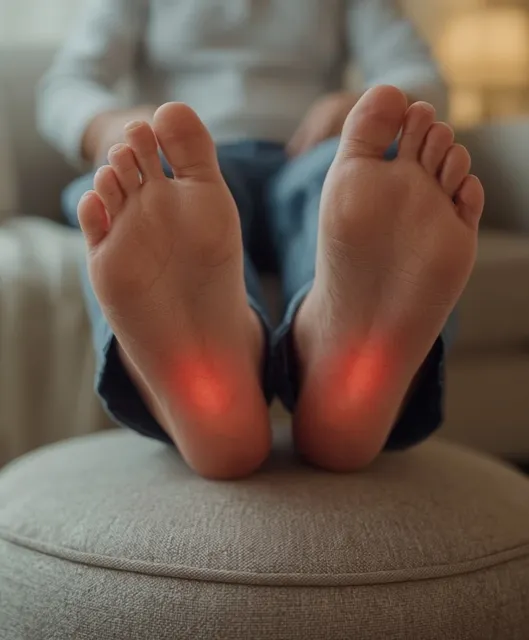
It didn't stop. Not in March, not in the summer, and when the furnace kicked on again two weeks ago, it came back worse than ever. An itch that wasn't on the skin so much as under it. A crawling, prickling itch that started around ten at night and woke her at two. She'd wake up with her shins scratched pink and no rash anywhere to explain it.
One night last week, sitting on the side of the bathtub with a jar of cream in her lap, she typed can neuropathy cause itching into her phone. She'd had numb toes for two years. She'd never once thought the two things were related.

Can neuropathy cause itching? Yes, and it's more common than people think
Doctors call it neuropathic itch. When the small nerve fibers in your skin are damaged or struggling, they don't always send the message "pain." Sometimes they send "itch." The same nerves that carry the burning and the pins and needles can misfire into an itch that no lotion reaches, because nothing is wrong with the skin itself. The trouble is in the wire.
How to tell it apart from ordinary dry winter skin:
- There's no rash, or only the marks you made scratching. Dry skin usually looks dry: flaky, cracked, rough.
- It's worse at night and doesn't really change with lotion, a cool shower or a humidifier.
- It comes with other nerve signs in the same area: numbness, tingling, burning, a "wearing socks" feeling.
- It's in both lower legs or both feet, often in the same pattern as the numbness.
Things your doctor will want to look at: blood sugar (the most common cause of neuropathy over 50), B12, thyroid, kidney and liver function, and your medication list. And skin conditions, scabies or an allergy still need to be ruled out, because those are treated differently.
Get seen soon if the itch comes with a rash that spreads, open sores, yellowing skin or eyes, sudden weakness, or numbness on one side only. And if you've scratched an area open on a foot that's already numb, have it looked at. Numb skin doesn't tell you when it's getting infected.
What Patrice tried first. It can help, but…
Patrice tried everything a teacher with a pharmacy loyalty card can try. A heavy fragrance-free cream twice a day. An oatmeal bath. An antihistamine at bedtime, which made her groggy at the breakfast table and didn't touch the itch. She went to an allergist, who tested her for half a page of things and found nothing. A hydrocortisone cream, which helped exactly as long as it was wet.
Every one of those helps with skin. That's the point. "I spent a whole year treating the outside of my legs," she told us, "and the problem was never on the outside."
The part the quick answers don't tell you
Each nerve fiber, even the tiny ones in the skin of your shins, depends on a thin protective coating and on a steady blood supply to stay healthy. When that coating wears thin and the blood flow to the lower legs slows, the signal leaks. The brain gets static, and static can feel like burning, buzzing, numbness, or that maddening crawling itch.
That's also why the itch so often flares when the heat comes on. Cold weather narrows the small blood vessels in the legs and feet, the skin dries out on top of it, and nerves that were already short on supplies get shorter. The lotion fixes the dryness. It can't do anything about the supply line.
There's an old kitchen spice that keeps coming up in the research on the inflammation that wears that coating down. Which one, what it has to be paired with for the body to absorb it, and why the hour you take it seems to matter, is the part Patrice had never heard from anyone, the allergist included.
The friend at the book club
Patrice's book club meets the last Thursday of the month. In October, a retired dental hygienist named Marguerite, seventy, noticed Patrice rubbing her shins through her slacks the whole evening and asked, very quietly in the kitchen, "Does it get worse at night? And are your toes numb too?"
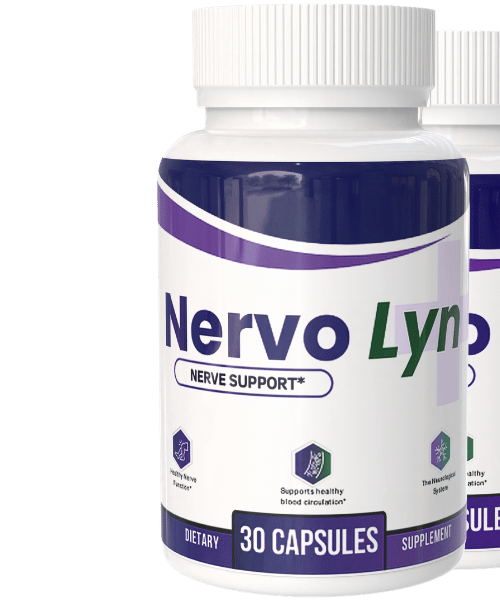
Marguerite had been through it. Two winters of scratching, three dermatologists, a cabinet full of creams. "The second one finally said the word 'neuropathy' and I almost cried, because at least it had a name." She'd started on something for the nerve itself, she said, the coating and the circulation together, and the itch was the first thing to quiet down. She took a bottle out of her purse and put it on the counter next to the coffee cake.
It was NervoLyn. Patrice graded spelling tests for thirty-two years; she read every word on the back:
- Turmeric extract, standardized to 95% curcuminoids. For the body's normal inflammation response around stressed nerves. "So that's the spice," she said. Marguerite smiled.
- Butcher's broom. A traditional herb for circulation, to help blood reach the lower legs and feet.
- Alpha lipoic acid. An antioxidant the company describes as one of the most studied for the nerves of the feet and hands.
- L-carnitine and Coenzyme Q10. Fuel for the cells, so tired nerves have the energy for their own slow repair.
- Magnesium glycinate. A gentle magnesium the company connects with calmer nerve signals and better sleep.
"It was the first thing anyone had shown me that wasn't for skin," Patrice said. She took the label to her doctor first. He checked her A1c (6.1, higher than she'd known) and her B12, told her to keep the plain cream for the dryness, stop the bedtime antihistamine, take this with breakfast, check her feet every night, and come back in three months.
What Patrice noticed, and when
- Week 1: nothing she'd swear to. The same crawling itch at ten o'clock.
- Weeks 2 and 3: she slept through two nights in a row without waking up scratching. She didn't trust it yet.
- Month 1: the scratch marks on her shins had faded, and a warm, prickly feeling came back into two toes that had been numb. Marguerite said that was how hers started too, though nobody can promise what it means.
- Months 2 and 3: where Marguerite is now: a skirt at church, and nothing to hide under it.
Why so slow? Because nothing in that bottle numbs the itch the way the antihistamine tried to. A coating that wore thin over years gets rebuilt on the body's own schedule, and the lower legs and feet, at the far end of the longest nerves, get their turn last. The company says many people notice early changes in three to four weeks and fuller results over eight to twelve. Patrice ordered three months. "I gave the creams a year," she said. "I can give this a season."
If your shins or feet itch at night with no rash to show for it, and your toes have gone quiet too, this is the bottle Marguerite set down next to the coffee cake.
See the label Patrice read at book club →Who it may suit, and who it doesn't
It may be worth a look if you're over 50, the itch comes with numbness, tingling or burning in both legs or feet, your doctor has ruled out skin causes and checked blood sugar, B12 and thyroid, and the creams soothe the surface without ever stopping the night itch.
It isn't for you if there's a spreading rash, open sores, yellowing skin, or numbness or weakness on one side only. Those need a doctor first. If you take medicine for blood sugar, blood pressure or blood thinning, have kidney or liver disease, or are pregnant or nursing, show your doctor the label first, the way Patrice did.
The company gives you 60 days, with your money back if your legs and feet don't notice. It's a one-time order, nothing that renews on its own, made in the United States in a GMP-certified facility. "Sixty days is less than I spent on creams," Patrice said. "And I can send this one back."
Every winter the furnace comes on, the itch gets louder and the numbness creeps a little higher. Patrice's only regret is the year she spent treating the wrong layer.
Start your 60 days before the long winter nights →So, can neuropathy cause itching?
Yes. Struggling nerves can send itch instead of pain, usually at night, often without a rash, and often alongside numbness or tingling. Have your doctor rule out skin and allergy causes and check blood sugar, B12, thyroid, kidney and liver. Keep your skin moisturized for the dryness, protect anything you've scratched open, and check your feet every night. Results with any supplement vary from person to person, and Patrice's are her own.
P.S. Patrice wore a skirt to church last Sunday. Marguerite sat next to her and didn't say a word, just squeezed her hand. If you're on the side of your own bathtub tonight with a jar of cream that isn't working, here's what Marguerite brought to book club. And if the cold mornings are making your feet harder to trust, read what we wrote about driving with numb feet next.
Individual results vary. Reader stories reflect personal experiences; names and some details changed for privacy. This is an advertisement and not a news article. Statements have not been evaluated by the FDA. This product is not intended to diagnose, treat, cure or prevent any disease.