
Reader Story
Does Metformin Cause Neuropathy? Carla Took Hers for Eleven Years. Then Her Feet Started Burning and She Wanted to Throw the Bottle Out
She read one headline, panicked, and almost stopped her diabetes pill on her own. What the research this year actually says about metformin and the nerves in your feet, the blood test nobody had ordered for her, and the part that still wasn't explained.
By the HealthVital editorial team · 8 min read
Carla, 66, had taken the same white pill with breakfast for eleven years. Metformin, twice a day, never missed. Then, about a year ago, the bottoms of her feet started to burn at night, and the tips of her toes went numb, like she was walking on the folded edge of a towel. One night in September she typed the question into her phone in the dark so she wouldn't wake her husband: does metformin cause neuropathy?

The first thing she saw was a headline that said metformin drains vitamin B12 and B12 deficiency damages nerves. She read it twice, got out of bed, and put the bottle on the kitchen counter, ready to stop it in the morning. If you're where Carla was that night, please read the next part before you do anything with your bottle.
Does metformin cause neuropathy? The honest answer is "it's complicated"
Two things are true at the same time, and most of what comes up when you search only tells you one of them.
- Metformin can lower your vitamin B12 over the years. This is well known. Several studies published this year, from hospitals in Pakistan, India and Iraq, found low B12 more often in people on long-term metformin than in people not taking it. Low B12 on its own can cause tingling, numbness and burning in the feet that looks a lot like diabetic neuropathy.
- Staying on metformin is linked to less neuropathy, not more. A very large study reported this July, published in the journal Metabolic Syndrome and Related Disorders, followed hundreds of thousands of people with type 2 diabetes. The ones who didn't take their metformin consistently had about a 26% higher risk of nerve damage in the feet than the ones who did, plus more foot ulcers and amputations. The same researchers said B12 should be checked regularly in people taking it.
Put those together and the picture is this: for most people the pill is protecting the nerves by keeping blood sugar down, and the B12 drain is a side issue that's easy to check and easy to fix. Stopping it on your own because of a headline can be the worst of both worlds.
The test Carla had never had
Carla called her doctor's office the next morning instead of throwing the bottle out. Her doctor kept her on the metformin and ordered one thing she'd never had in eleven years: a B12 level. It came back low-normal. Not dramatic, but enough that he started her on a B12 supplement and said to recheck in three months.
If you take metformin and your feet have started to burn, tingle or go numb, these are the questions worth bringing to your next appointment:
- When was my B12 last checked? (Some doctors also check a test called methylmalonic acid, which can catch a low B12 the regular test misses.)
- How long have I been on metformin, and at what dose?
- Do I take an acid-reflux pill too? Those can lower B12 as well.
- Has anyone tested the feeling in my feet with a monofilament or a tuning fork?
Never stop or change a diabetes medicine without talking to the doctor who prescribed it. That's the one rule in this whole article that has no "maybe" in it.
Why the B12 didn't settle it
Here's where Carla's story stops being simple. She took the B12 faithfully for two months. Her level came up. Her doctor was pleased. And her feet still burned at ten o'clock every night.
That's more common than people think. Low B12 can be one thing wearing on the nerves, but in someone with years of diabetes it's rarely the only thing. Think of the nerve to your toes as a long extension cord. The wire carries the signal, and a coating around it keeps the signal clean. Years of sugar spikes, years of age, poor circulation to the farthest point in the body, and cells running low on fuel all wear that coating down. When it wears thin the signal leaks, and the leak is what you feel as burning, buzzing and pins and needles. Topping up B12 patches one hole. It doesn't re-insulate the whole cord.
There's a doctor with nearly thirty years in practice who talks about that coating, and about a simple habit he believes may support it, built around something most people already have in the kitchen. He's very particular about which form and what time of day, and he says the version most people use doesn't do what they think. We're not going to spoil his explanation here. But it was the first thing that made sense to Carla after the B12 didn't.
The sister who had already been through it

Carla's older sister Diane, 69, has had type 2 even longer than she has. When Carla told her on the phone that the B12 hadn't touched the burning, Diane said, "Same thing happened to me. The B12 was one piece. Nobody told me about the rest." When she drove up for a weekend in October, she set a bottle on Carla's kitchen counter, right next to the metformin.
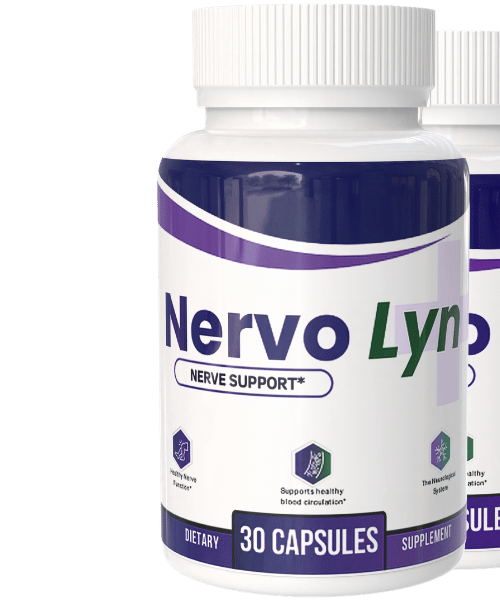
It was NervoLyn. Carla was suspicious. She'd spent a year being told her feet were "just diabetes," and she didn't want another pill that promised the moon. So she read the label at the counter with her reading glasses on, the way she reads everything:
- Alpha lipoic acid. An antioxidant the company calls one of the most studied for the nerves in the hands and feet.
- Turmeric extract, standardized to 95% curcuminoids. For the body's normal inflammation response around stressed nerves. Not the spice-rack kind.
- Butcher's broom. An old herb for circulation, to help blood make the long trip down to the toes.
- L-carnitine and Coenzyme Q10. Fuel for the cells, the energy a nerve needs for its own slow repair.
- Magnesium glycinate. A gentle form of magnesium tied to calmer nerve signals and better sleep.
"It's not instead of anything," Diane told her. "I still take my metformin. I still take my B12. This is the part that goes after the coating." Carla took the label to her doctor. Because alpha lipoic acid may lower blood sugar a little on top of metformin, he told her to take it with breakfast and keep a closer eye on her morning readings for the first few weeks.
What changed, and when
- Week 1. Nothing in her feet. Her morning readings held steady, which was what her doctor wanted to see.
- Weeks 2 and 3. A fizzy, pins-and-needles feeling in toes that had been plain numb. It worried her. Diane said she'd had the same thing. Some people notice a numb spot stirring before it settles, though nobody can promise what it means.
- Month 1. She stopped pulling her feet out from under the covers at night to cool them off.
- Months 2 and 3. Where Diane is now. The burning still shows up on long days, but later, and softer. She walks the full aisle at the grocery store again without hunting for a cart to lean on.
Why so slow? Because nothing here numbs anything. The body repairs a worn coating on its own schedule, and the longest nerves, the ones to the toes, are last in line. The company says most people notice early changes in three to four weeks and fuller results over eight to twelve weeks of daily use, which is why Diane told her sister not to bother with a single bottle.
If you've already had the B12 talk and your feet are still burning, this is the bottle Diane set next to Carla's metformin.
See the label Carla read at her kitchen counter →Who it's for, and who should skip it
It may fit you if you're over 50, you have type 2 or prediabetes, your doctor has checked your B12 and the basics, and the burning or numbness in both feet keeps creeping up even though you're doing what you were told.
Skip it, or ask your doctor first, if the numbness came on suddenly or on one side, comes with weakness, a drooping face or trouble speaking, or you have a foot sore that isn't healing: those need a doctor today. Show your doctor the label first if you take insulin or another blood sugar medicine, a blood thinner, thyroid medicine, or you're pregnant or nursing. A supplement is not a replacement for your diabetes medicine or for finding out what's behind your symptoms.
The order page shows a 60-day money-back guarantee, and it's a one-time purchase that doesn't renew on its own. "Sixty days," Carla said. "I spent eleven years not knowing B12 was a thing. I can give this sixty."
The metformin protects the nerves from the sugar. The B12 fills one hole. Every month the coating keeps wearing, the burning climbs a little higher.
Start your 60 days for the part nobody explained →So, does metformin cause neuropathy?
Not in the way the scary headlines suggest. Metformin can lower vitamin B12 over time, and low B12 can cause or worsen nerve symptoms, so B12 should be checked if you've taken it for years. But staying on metformin consistently is linked to less nerve damage, not more, because it keeps blood sugar in check. Don't stop it on your own. Ask for a B12 test. And if the B12 comes back fine, or you fix it and your feet still burn, the coating may need more than one thing. Results vary, and Carla's and Diane's are their own.
P.S. The bottle Carla almost threw out that night in September is still on her counter, and she still takes it with breakfast. If you're standing in your own kitchen tonight with your metformin in your hand and a headline on your phone, here's what Diane brought her. And if your doctor told you your sugar is "fine" while your feet say otherwise, read Gene's story next.
Individual results vary. Reader stories reflect personal experiences; names and some details changed for privacy. This is an advertisement and not a news article. Statements have not been evaluated by the FDA. This product is not intended to diagnose, treat, cure or prevent any disease.